
International Women’s Day 8 March 2018 campaign theme: #PressforProgress
As International Women’s Day approaches I wonder how much progress has been made in gender equality since the 80s, as documented in chapters 5 and 15 of Manchester 1984.
CC-BY Kath Fry & Karen Cropper
As International Women’s Day approaches I wonder how much progress has been made in gender equality since the 80s, as documented in chapters 5 and 15 of Manchester 1984.

At last all of the chapters of Manchester 1984 are now on this site. (Image Credit: Fireworks By Fieldington at English Wikipedia, CC BY-SA 3.0, https://commons.wikimedia.org/w/index.php?curid=28678368)

The Budget Review Working Party (BRWP) had the purpose of scrutinising every budget item in every department (on a rolling programme) in order to identify possible savings.

The portfolio of Leisure Services covers a wide range of things that are often highly valued by the public. Manchester City Council owned and was responsible for parks and gardens, public baths and laundries, sports halls…
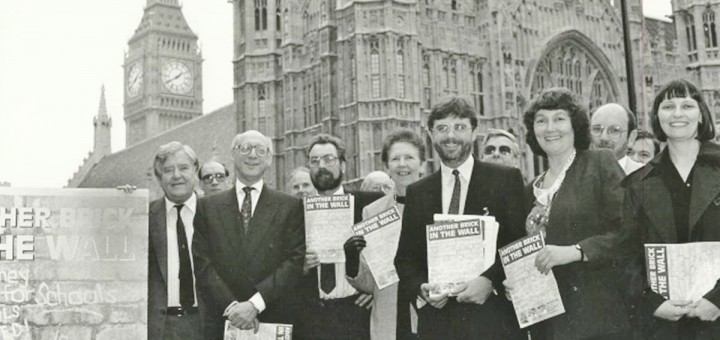
Given that Kath was Deputy Chair of the Education Committee for a year (1989/90) and then Chair for four years (1991-95), this is the most personal chapter of the book.
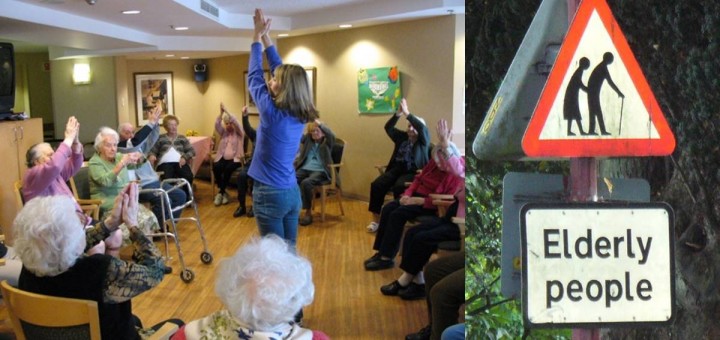
This chapter covers those changes and the responses to failing standards in the Council’s elderly persons’ homes (EPHs) and the requirements of the Care in the Community legislation.
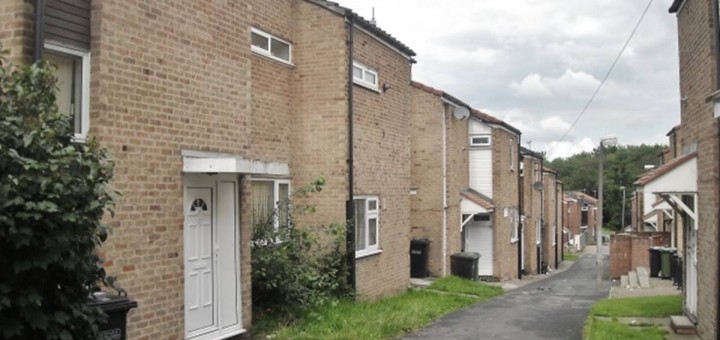
The Local Government and Housing Act 1989 brought in requirements for the local authority to establish a Housing Revenue Account (HRA) that ring-fenced all housing income and expenditure, and prevented any subsidy to or from any other parts of the Council’s budget.

Hilary Wainwright is a British socialist and feminist, best known for being editor of Red Pepper magazine. She is a researcher and writer on the emergence of new forms of...

Chapter 14 of Manchester 1984 details the sequence of services in Manchester that were subject to competitive tender, and the outcome that all but one of the contracts were won by the in-house bids, the process being spread from 1989 to 1995.
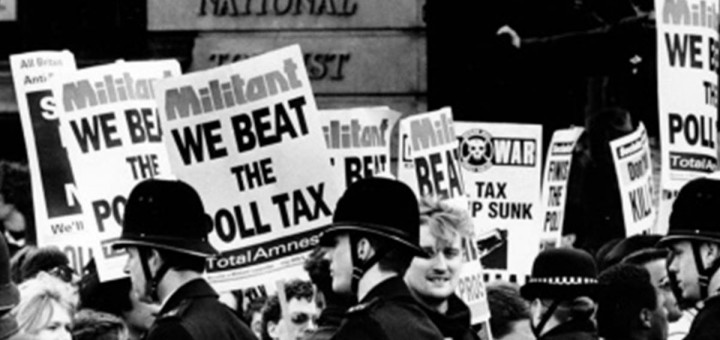
The Community Charge, commonly known as the Poll Tax, was introduced in England in 1990, having been trialled for the previous year in Scotland. It was a fixed rate of local tax, charged per adult to fund local authorities, replacing the previous domestic rates charged per property.

